Your safety systems, aimed right.
Lane keeping, emergency braking, and adaptive cruise all watch the road through a camera on your windshield. After glass work, that camera must be recalibrated. We do it in-house.
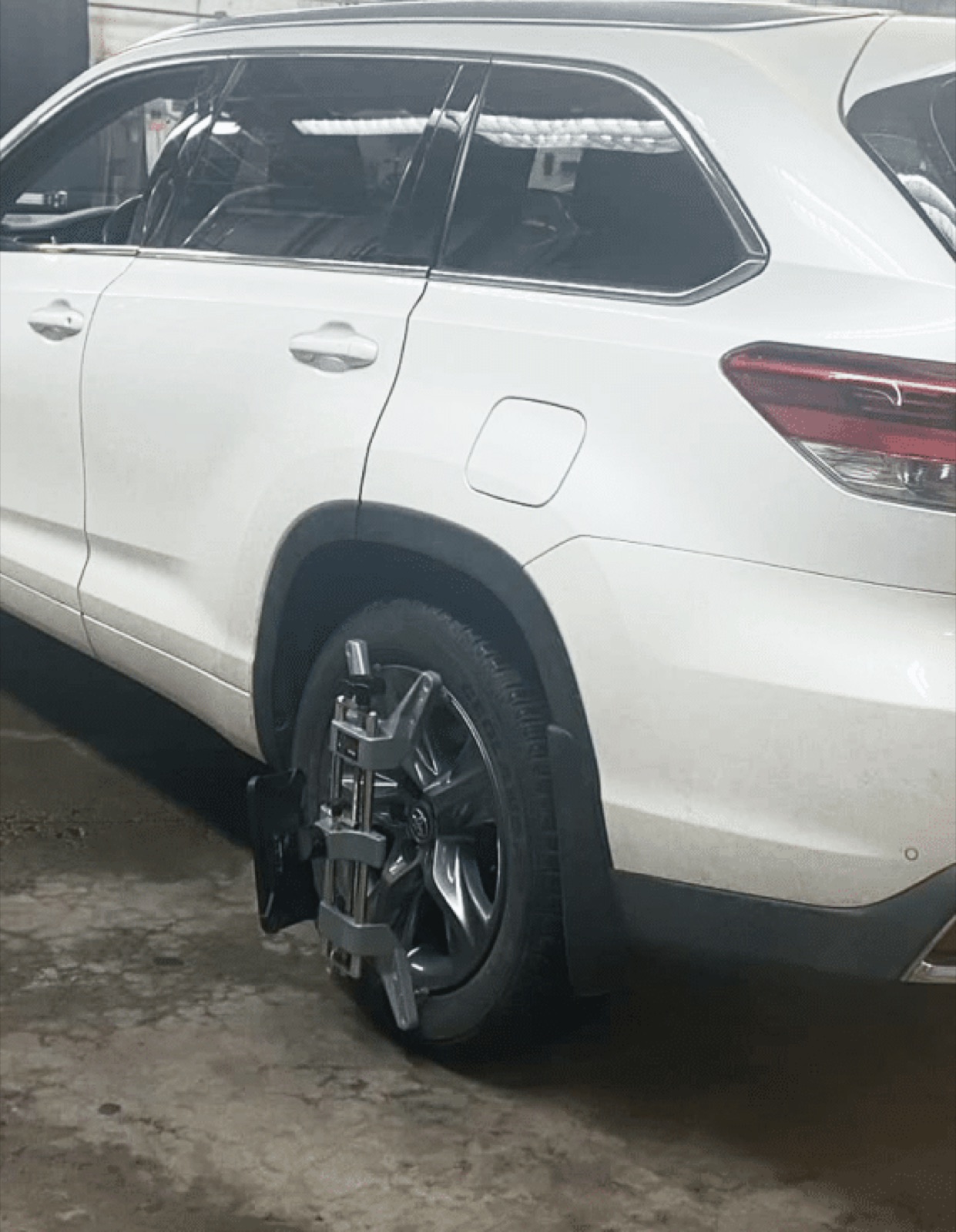
Most vehicles built since 2018 carry advanced driver-assistance systems, and the camera behind your windshield is their eyes. Remove and replace the glass and the camera's aim shifts, even if everything looks fine from the driver's seat.
A camera pointed a fraction of a degree wrong reads lane lines late and judges distances wrong, and it will not warn you that it is wrong. That is why manufacturers require recalibration after windshield replacement. Many glass shops send you to a dealership for it. We do it here, the same visit.
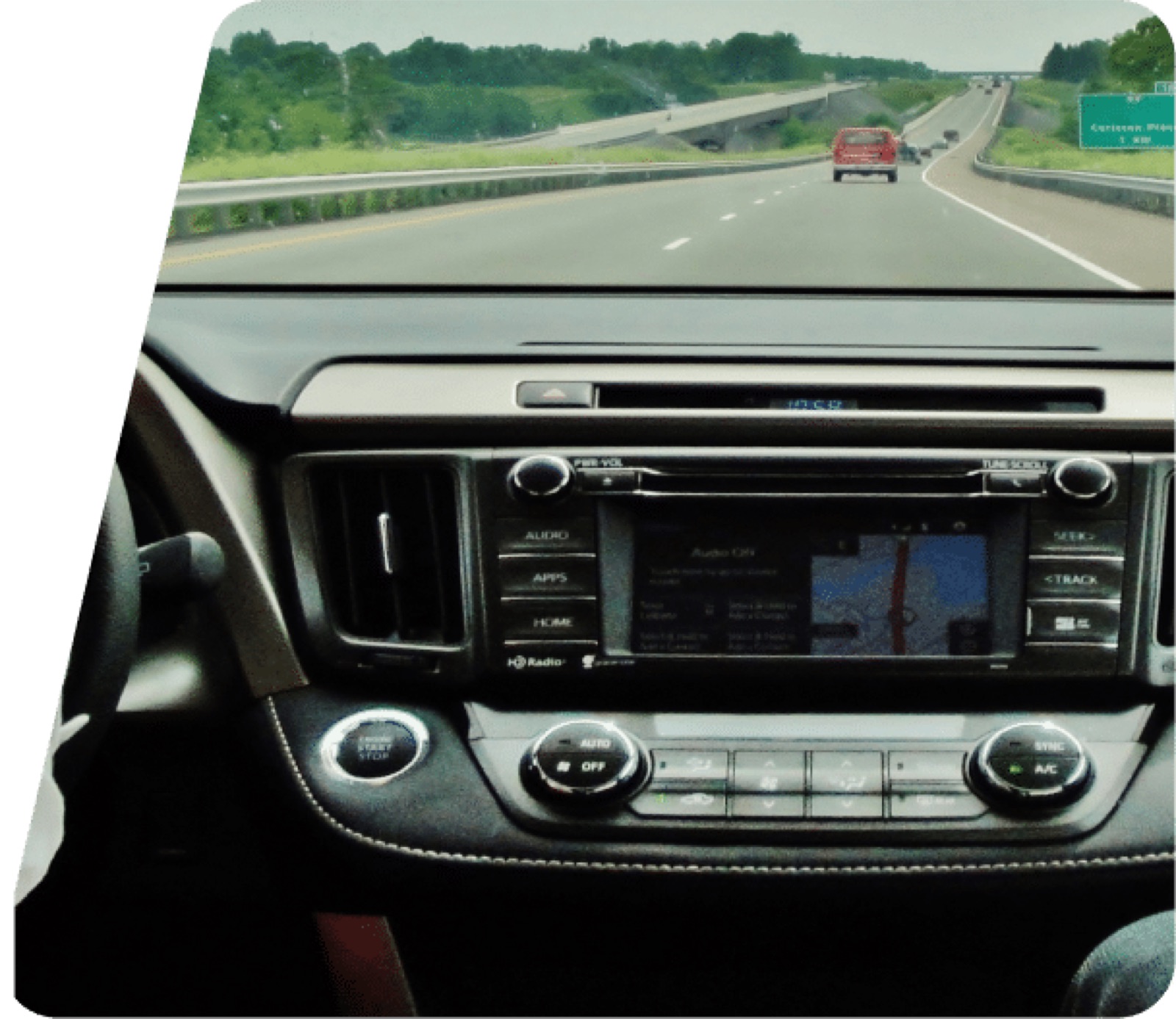 What your camera sees
Lane departure warning and lane keeping assist re-aimed to read the road where it actually is.
Forward collision warning and automatic emergency braking distances verified.
Following-distance systems checked so they judge gaps correctly.
Target boards positioned at measured distances in controlled shop conditions.
A prescribed road drive where the manufacturer requires it, handled by us.
A completion record for your glove box, your insurer, and your peace of mind.
If you are here for a replacement, the new windshield goes in with full cure time.
Static targets, a road procedure, or both, depending on what your manufacturer specifies.
Systems checked, results recorded, documentation in your hand at pickup.
New glass with quality materials, proper cure time, and in-house recalibration.
Learn MoreRock chip and crack repair that keeps your factory seal, usually in about an hour.
Learn MoreBack glass, semis, farm and construction equipment, fleets, and classics.
Learn MoreIf your vehicle has a windshield-mounted camera, yes. Manufacturers require it because even a small shift in camera aim changes how lane and braking systems read the road. Skipping it means driving with safety systems that may quietly point the wrong way.
Static recalibration uses measured target boards in the shop. Dynamic recalibration follows a prescribed drive so the system relearns from real road markings. Your manufacturer specifies which one your vehicle needs, and some need both.
It can, but that means a second appointment, a second bill, and days of driving with unverified systems in between. We recalibrate in-house the same visit as your glass work.
You get documentation with the completed procedure. That record matters for insurance and for resale, and it is the honest answer to a question most drivers never think to ask.
From Belknap Street to both sides of the harbor, this is home. Tell us what happened and where the vehicle sits, and a real person from the Superior shop will get back to you with a straight answer, usually the same business day.
(715) 394-5588Prefer to talk? Calling is the fastest way to get on the schedule.