

The click is the cheap part.
Anyone can buy clicks. The job is turning a $14 click into a booked $12,000 install, and knowing, in plain math, which campaigns did it. That is what management means here: granular builds, weekly audits, and zero tolerance for wasted spend.
4.9 on Google30+ verified reviews











Three things happen after the click.
They call, they fill out a form, or they leave. We track all three, per campaign, per keyword, so budget flows toward the clicks that become jobs and away from the ones that never will.
They call
Every call recorded and attributed to the exact campaign and keyword that produced it. Calls are the currency; we count them like money.
They book online
Forms wired straight into your dispatch, tracked the same way, followed up before they cool off.
They leave
The most expensive outcome. Slow pages, weak proof, and wrong landing pages cause it, and the audit finds every leak.
Own the paid inches of page one.
Local Service Ads at the very top, search ads under them, and remarketing that follows the homeowner who was not quite ready. One system covers every paid position so a competitor's budget cannot box you out of your own market.
Where does your money actually go?
Most contractor ad accounts leak in the same places: broad keywords matching junk searches, budgets burning evenly through dead hours, and campaigns nobody has audited since launch. We sweep every account weekly, hunt the waste, and a senior strategist approves every change. You watch it happen on a live dashboard, not in a quarterly summary.
Your three options, honestly.
Run it yourself and spend your evenings learning match types. Buy shared leads and race two competitors to the same phone call. Or hire management that is accountable for booked jobs, shows its work daily, and lets you leave any month it stops earning the fee. We only think one of those compounds.
What the weekly audit actually looks at.
Search terms first: every real query your ads matched, with junk turned into negatives before it burns another week of budget. Then the schedule, because a click at 2 AM is not worth what a click at 8 AM is unless you truly run all-night dispatch. Then device, geography, and ad copy performance, so budget concentrates where booked jobs actually come from. And finally the landing pages, because the best campaign in the world cannot save a slow page with no proof on it. Each week's changes are logged in plain English. No mystery, no "trust us," no set-and-forget.
The build
Campaigns split by service line with their own budgets, ads, and landing pages: repair separate from install, emergency separate from maintenance, every ad speaking to the exact job.
The weekly audit
Search terms reviewed, negatives added, bids tuned, and losers cut, every week, with the changes logged where you can read them.
Local Service Ads
Profile managed, reviews fed into it, and junk leads disputed so you stop paying for wrong numbers and solicitors.
The proof
Every call recorded, every dollar attributed, and a live dashboard that ties spend to booked jobs. If a campaign cannot prove its keep, it does not keep its budget.
Google Ads is in every plan. The depth is what changes.
Trailhead runs core search. Compass adds full management and LSA with disputes. Timberline and Polaris go aggressive across Google, Meta, and LSA at premium budgets. Flat monthly pricing, published for anyone.
The questions owners actually ask.
Q.01Do I own the ad account?
Yes. It is your account, your billing, your history, your data. We work inside it, and if you ever leave, everything stays with you.
Q.02How fast do ads produce calls?
Search and LSA can produce calls the first week they run. Getting the cost per booked job down is the ongoing work, and that is what the weekly audits are for.
Q.03What budget do I need?
Depends on your market and your trade, and anyone quoting a number before looking is guessing. The free growth plan sizes it from real click costs in your area.
Q.04What about PMax and automated campaigns?
We run search-first because that is where the intent lives, and we use automation where it proves itself, never as a substitute for looking at the account. "Set it and forget it" is how budgets die.
Q.05Can you take over my existing account without starting from zero?
Yes, and usually we should: your account history has learning in it worth keeping. We audit what exists, keep what is earning, rebuild what is leaking, and document every change so you can see exactly what moved and why.
Q.06How is this different from what the last agency did?
Ask the last agency for the change log. Most contractor accounts we inherit have not had a human touch in months, just a monthly invoice and a PDF. Here the work is visible: weekly audit notes, a live dashboard, and a strategist who answers when you ask why something changed.

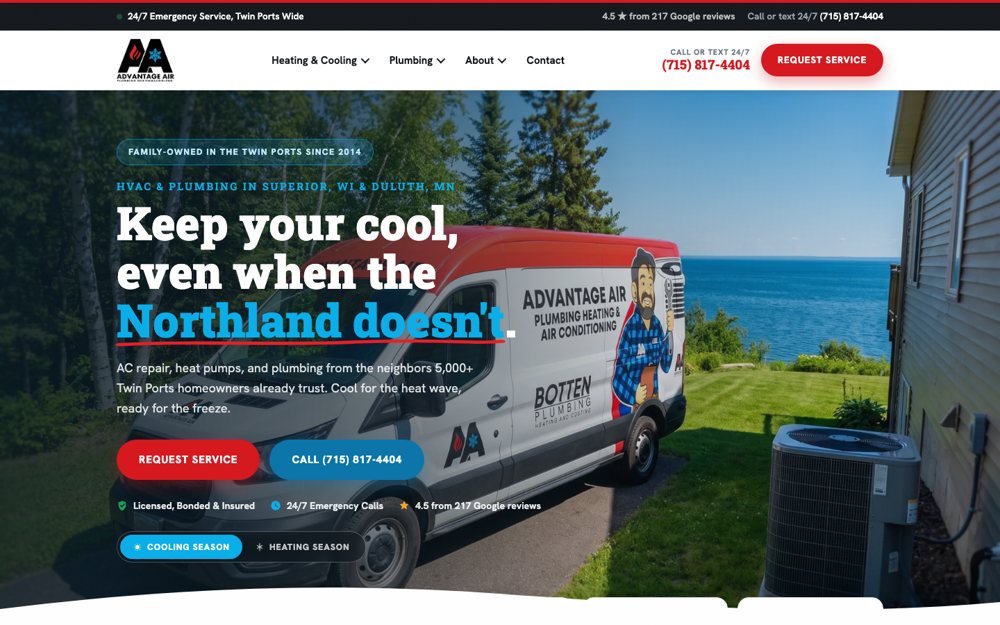
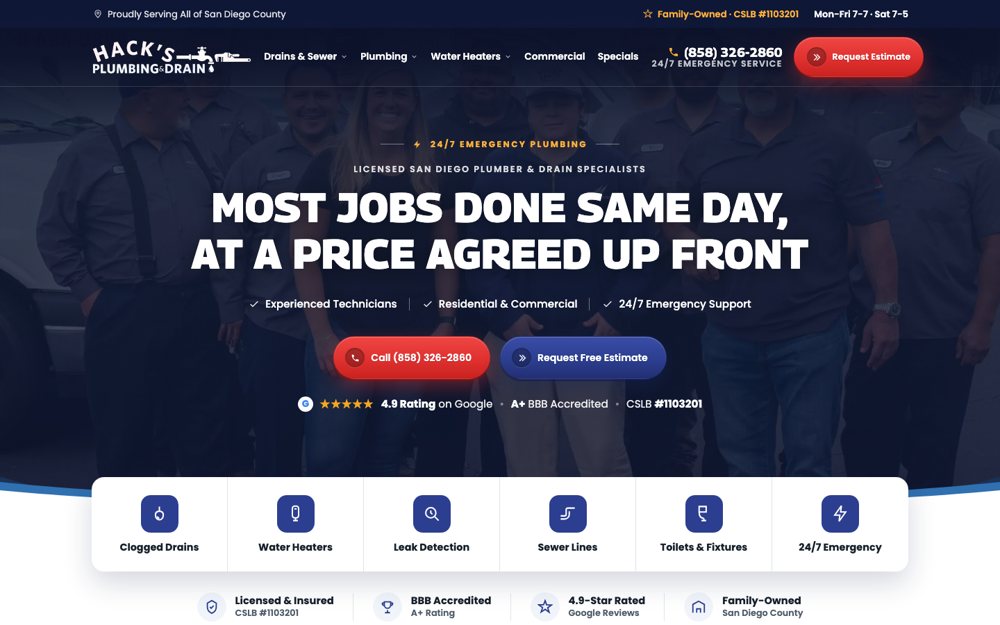
Verbatim, and verifiable.
"Josh provided insightful marketing advice that truly resonated with my business goals. His depth of knowledge is impressive, and he quickly identified key areas for improvement."
"Josh is extremely knowledgeable and helpful. Great quality website and always quick to respond when I have questions. Highly recommend Bear North Digital!"
"From the initial consultation to the final launch, their team was professional, creative, and truly attentive to our needs. They delivered a website that is visually stunning, user-friendly, and optimized for performance."
"I treat your ad budget like it is coming out of my own kitchen table, because for eight years that is exactly where this business was run from."
No annual contract, ever.
You keep the ad account, the history, and the data. If a month goes by where we did not earn it, leaving costs you nothing but a phone call.
See the plansThe click is cheap. The job is not.
Get your free growth plan.
A free website mockup, a 60-point audit of your current marketing, and a custom growth plan built for your market. No obligation. No pushy sales call.