It is 6 a.m., the house is 54 degrees, and the furnace is not doing anything about it. Before you call anybody, there are a handful of things worth checking. Some of them are genuinely the problem more often than people expect, and all of them are safe to look at yourself.
If you get through this list and the heat is still off, stop there and call. In a Northland January a cold house becomes a plumbing problem within hours, and that is a much more expensive morning.
1. Check the thermostat, properly
Not just the temperature setting. Confirm it is on Heat and not Cool or Off, that the setpoint is actually above the current room temperature, and that the fan is on Auto rather than On. A fan set to On blows constantly, including between burns, which feels exactly like cold air coming from the vents.
Then change the batteries. A thermostat with dying batteries can hold its display long enough to look fine while losing the ability to actually call for heat.
2. Look for the furnace switch
There is usually a switch on or beside the furnace that looks exactly like a regular light switch, often at the top of the basement stairs. It gets flipped off by people carrying laundry, by someone doing work down there, and by kids. It is worth ten seconds and it is a surprisingly common cause.
3. Check the breaker
Find the furnace breaker in your panel. If it has tripped, reset it once. If it trips again straight away, stop and call us. A breaker that keeps tripping is telling you about an electrical fault, and repeatedly resetting it is not a fix, it is a fire risk.
4. Change the filter
A filter packed solid with dust chokes airflow badly enough that the furnace overheats and shuts itself down on a safety limit. It will often run briefly, then quit, then try again later. If your filter looks grey and you cannot see light through it, replace it and see whether the behavior changes.
Northland note: heating seasons here run about seven months, so a filter logs far more hours than the same filter would somewhere with a short winter. If you are changing yours on the schedule printed on the box, you are probably changing it too rarely.
5. Make sure the gas is actually on
If you have other gas appliances, check whether they work. If the stove lights, gas is reaching the house and the problem is at the furnace. If nothing gas-powered works, the issue is upstream and your utility needs to know.
If you smell gas at any point, stop. Leave the house, and call from outside. Do not flip switches on your way out.
6. Check the exhaust vent outside
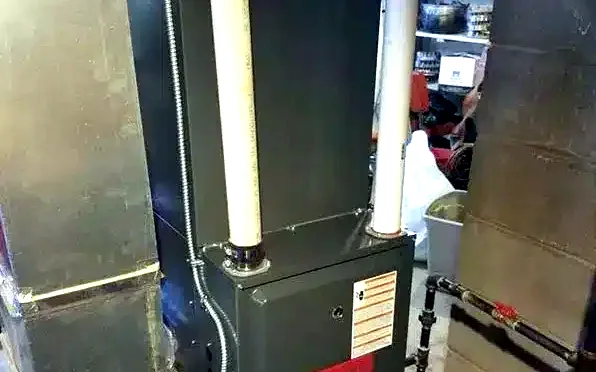
High-efficiency furnaces vent through a PVC pipe out the side of the house, usually fairly low. Drifting snow, ice buildup, or a plow bank can block it, and the furnace will shut down on purpose when it cannot vent safely. Clear it gently if you can reach it. This one is genuinely seasonal here and catches people every winter.
When to stop and call
Call us rather than keep going if any of these are true:
- You smell gas, or a carbon monoxide alarm has gone off
- The breaker trips again after one reset
- The furnace starts and then shuts down repeatedly
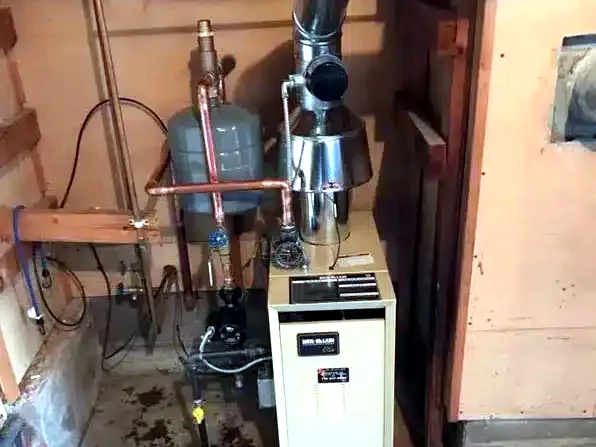
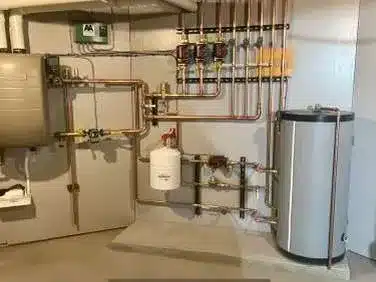
- You have a boiler and radiators rather than forced air, since the checks above are mostly for forced-air systems
- The house is dropping toward freezing and you are running out of time to experiment
That last one matters more here than most places. Pipes on exterior walls start being at risk well before the house feels dangerous to you, so if it is genuinely cold out and the heat is genuinely off, that is a call and not a project.
What we will do
We answer 24/7 and dispatch from both Superior and Duluth, so nobody is waiting on a truck to cross the bridge. Our techs carry the common failure parts, so most no-heat calls finish on the first visit, and you approve the price before any work starts. If the honest answer is that your furnace is at the end of its life, you will see the repair number and the replacement number side by side and make that call yourself.